General Medicine & Hormonal Health · Thyroid Health
Real Solutions for Thyroid Health
Get a second opinion from an expert who won’t put you on thyroid medication you don’t need.
"Up to 90% of thyroid prescriptions are given to patients with normal thyroid function."
I take an evidence-based approach to thyroid testing and treatment — the same rigor I ask of conventional medicine, applied equally to functional and integrative medicine’s own overuse of hormones.
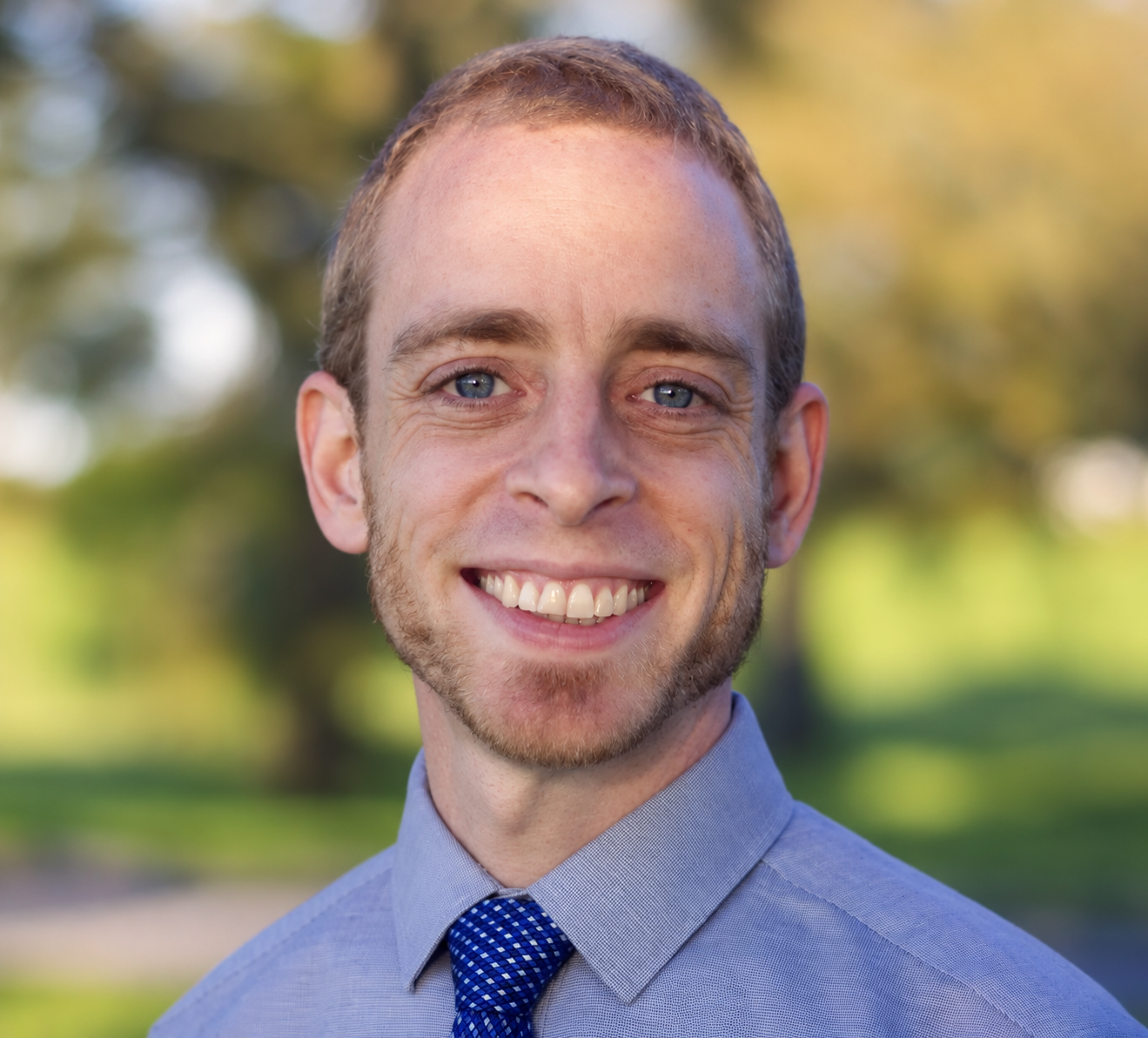
Joseph Mather MD, MPH
Board-Certified Family Medicine
- ✓Over a decade of experience treating thyroid conditions with a functional approach
- ✓World class medicine — works with patients across the globe
- ✓Helped patients get off thyroid medication they never needed in the first place
- ✓Educator and mentor offering CME education for physicians
Functional Medicine Expert — Treats the Cause of Disease
Board-Certified American Board of Family Medicine
Tulane School of Medicine & Tulane University School of Public Health
Watch: Is Thyroid Medicine Hurting You?
Patients are increasingly misdiagnosed with hypothyroidism, then overtreated with thyroid hormones for life. In this lecture, I break down why "optimal" TSH and T3 targets aren’t supported by the majority of clinical literature, and walk through a science- and data-driven approach to thyroid testing and treatment — including where functional medicine itself has gotten this wrong.
Ready to find the root cause of your thyroid problem?
Does this sound like you?
✓
You were diagnosed with "low thyroid" based on symptoms alone, without clear-cut labs
✓
Your doctor used a custom "optimal" range instead of the standard lab reference range
✓
You feel fatigued, foggy, or "off" despite normal or medicated thyroid labs
✓
You’ve been told you’ll need thyroid medication for life, without ever being reevaluated
✓
You take thyroid hormone but still don’t feel like yourself
✓
You were started on medication after a single mildly abnormal TSH
What Counts as a Real Thyroid Problem?
True hypothyroidism requires two markers together: an elevated TSH (generally above 10) and a low T4 level. Either marker alone isn’t enough — a distinction that’s often skipped in both conventional and functional medicine offices.
TSH naturally fluctuates throughout the day, and seasonally — differing by as much as 0.6 points between winter and summer. A single mildly elevated TSH often normalizes on its own without any treatment. T3, meanwhile, isn’t a reliable diagnostic marker either: the body intentionally lowers it during stress as a protective mechanism, and T3 lab tests themselves are notoriously inaccurate.
How my medical office is different
Three ways I’ve built this practice differently than a typical doctor’s office — or a typical functional medicine office.
01
Time to listen, think, and research
I run an independent private practice, free of hospital and insurance demands, so that I have the time to listen, think, and research your case properly.
I take a lot of pride in the fact that I am one of the few doctors who has been able to build my knowledge and skills day after day to make sure you get the best care possible.
My goal is for you to leave my office thinking:
“That was the best doctor’s visit I ever had.”
02
Treating the cause — without overdoing it
I treat the cause of your symptoms with natural and conventional medicine. But unlike other functional medicine offices, I don’t require thousands of dollars of labs or ask you to take hundreds of pills to get better. My goal is to get you well as quickly as possible — with the fewest supplements, the broadest diet that keeps you healthy, and a treatment plan that’s practical and down to earth.
03
Functional medicine you can afford
Paying out of pocket for medical care can be daunting. Because I want to help as many patients as possible, I’ve done all that I can to make care affordable:
- ✓I charge less than other experts in the field, despite getting better outcomes for my patients
- ✓I never profit from any testing I recommend
- ✓30% off supplements from Moss Nutrition
- ✓Discounted wholesale cash lab pricing through Clinical Pathology Labs for New Orleans patients
- ✓No subscriptions or memberships — ever
My approach to Thyroid Health
The same evidence-based standard I hold conventional medicine to — applied equally to functional and integrative medicine’s own overuse of hormones.
1
Confirm the diagnosis is real
True hypothyroidism requires an elevated TSH (generally above 10) together with a low T4 — not either marker alone. Because TSH naturally fluctuates by time of day and by season, I’ll often retest before recommending medication meant to be taken for life. All too often, doctors create custom reference ranges not supported by clinical literature, or treat hormones as the answer to nearly every symptom.
2
Safely reduce medication you don't need
Inappropriate thyroid hormone exposes patients to real risks — atrial fibrillation, anxiety, insomnia, osteoporosis, heart disease, and, paradoxically, the same fatigue patients were trying to treat. When a diagnosis doesn’t hold up, I help patients taper safely and gradually, under medical supervision — never abruptly, and never on your own.
3
Look beyond the thyroid for the real cause
In my experience, fatigue, brain fog, and feeling "off" often get pinned on the thyroid when the actual driver is something else entirely — and this cause is often gut-related. If a patient doesn’t have a history of GI issues, I look at the same root-cause factors I evaluate with every chronic patient before assuming it’s your thyroid: sleep, nutrition, metabolic problems, and toxic exposures.
4
Treat true thyroid dysfunction appropriately
When hypothyroidism is clearly confirmed, medication is appropriate and important. In these cases, it’s important to use a combination of T4 and T3 hormones.
The science behind an evidence-based approach to Thyroid Health
A few of the published studies behind this approach.
More Lectures & Resources
The full Thyroid Health playlist from my YouTube channel, plus more patient stories and lectures.
Patient Success, Interviews, Lectures & More
What patients say
I’ve helped many patients get an accurate thyroid diagnosis — and, when appropriate, safely reduce medication they didn’t need. Read more patient stories and reviews on the testimonials page.
What a visit costs
I run an independent, cash-pay practice — no insurance billing, no pressure to fit your visit into a 10-minute slot. You can request reimbursement from your insurer using a superbill I provide after each visit.
Initial Visit
$700
45 minutes
Focused on your history, current labs and medications, and a plan for what to test next.
Extended Initial
$950
2 hours
Ideal if you’re traveling to establish care, have a complex history, or want more time to go deep.
Follow-Up
$350
45 minutes
Most patients follow up every 4 weeks as we work through each part of the plan.
Not sure if I'm a fit?
Book a free 15-minute discovery call to ask questions before you commit to a visit.
Thyroid health questions, answered
Do you think thyroid medication is never necessary?
Not at all. When hypothyroidism is confirmed with the right combination of labs, medication is appropriate and important. My concern is with the large number of patients prescribed thyroid hormone without meeting those criteria.
What labs do I need to diagnose hypothyroidism?
Generally, an elevated TSH above 10 together with a low T4. Either marker alone isn't enough, and I'll often retest before recommending lifelong medication, since TSH naturally fluctuates.
I'm already on thyroid medication — should I just stop taking it?
No — please don't stop thyroid medication on your own. If your diagnosis wasn't clearly confirmed, I can help you safely reevaluate and taper under medical supervision, but this should never be done abruptly or without guidance.
Why do some functional medicine doctors push thyroid medication so hard?
In my experience, some integrative and functional offices treat hormones as the answer to nearly every symptom, and even create custom "optimal" reference ranges not supported by clinical literature. I hold my own field to the same evidence-based standard I expect from conventional medicine.
If it's not my thyroid, what else could be causing my symptoms?
Often something else entirely, and gut-related causes are common. Fatigue, brain fog, and feeling "off" have many possible root causes, which is exactly what I specialize in tracking down.
Do you accept insurance?
I don't bill insurance directly, but I provide a superbill after each visit that you can submit for out-of-network reimbursement. Working this way gives me the time and freedom to treat you as an individual, not a diagnosis code.
Have a broader question about my practice? Visit the full FAQ page.
Let’s Get Started
A doctor who cares about science
Working as an independent physician gives me time to study and keep learning new ways to help my patients. I’m proud to have contributed to our understanding of the gut–thyroid axis in a paper published in 2022.
I graduated from Tulane University School of Medicine and School of Public Health in 2011 and completed my Family Practice training in 2014. I treat many conditions, with particular expertise in GI health and mold and heavy-metal toxicity. When I’m not with patients, you’ll find me playing with my three kids, exercising, meditating, or playing the drums.