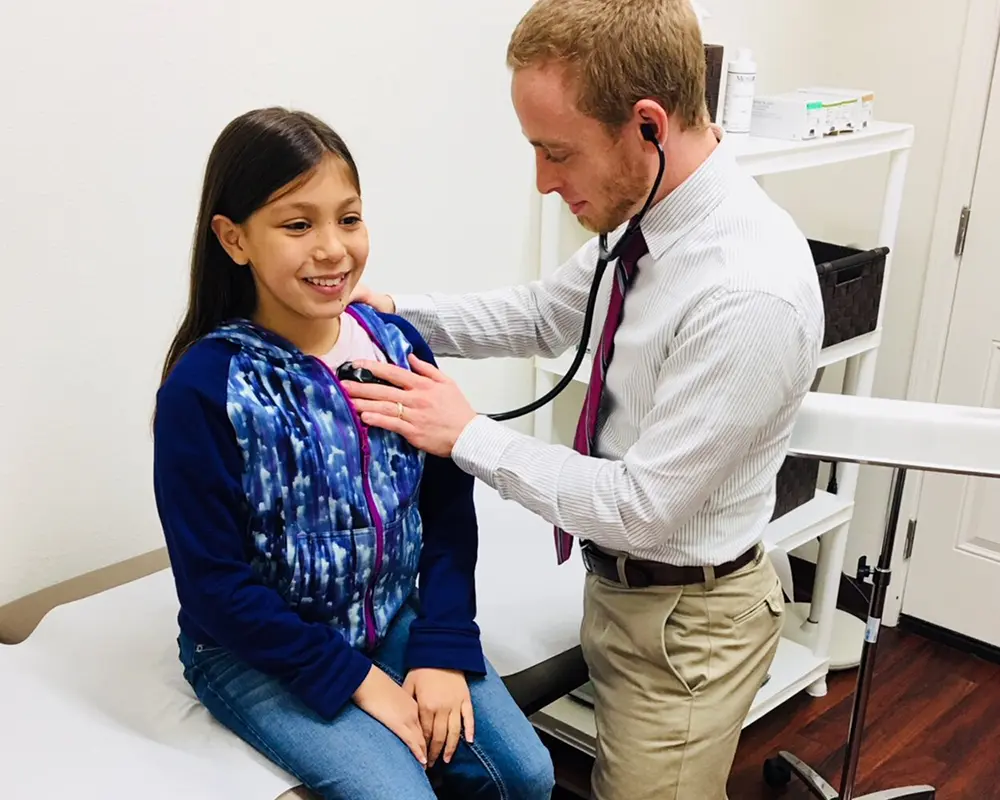
GI Health · SIBO Treatment
Still bloated, gassy, or in pain — even after seeing a GI specialist?
I’m Dr. Joe Mather. I’ve spent over a decade treating SIBO (Small Intestinal Bacterial Overgrowth) using tools from both conventional and natural medicine. Although SIBO is one of the most common causes of chronic GI symptoms and affects millions of patients, most GI specialists are still stuck in the past — handing out acid-reducing medicines and repeating colonoscopy after colonoscopy, all while you still feel terrible.
"Treated properly, SIBO is one of the most fixable conditions I see."
If you’ve already tried an antibiotic, a supplement protocol, or a restrictive diet and your symptoms crept back, you’re not out of options. You just haven’t been treated properly yet.
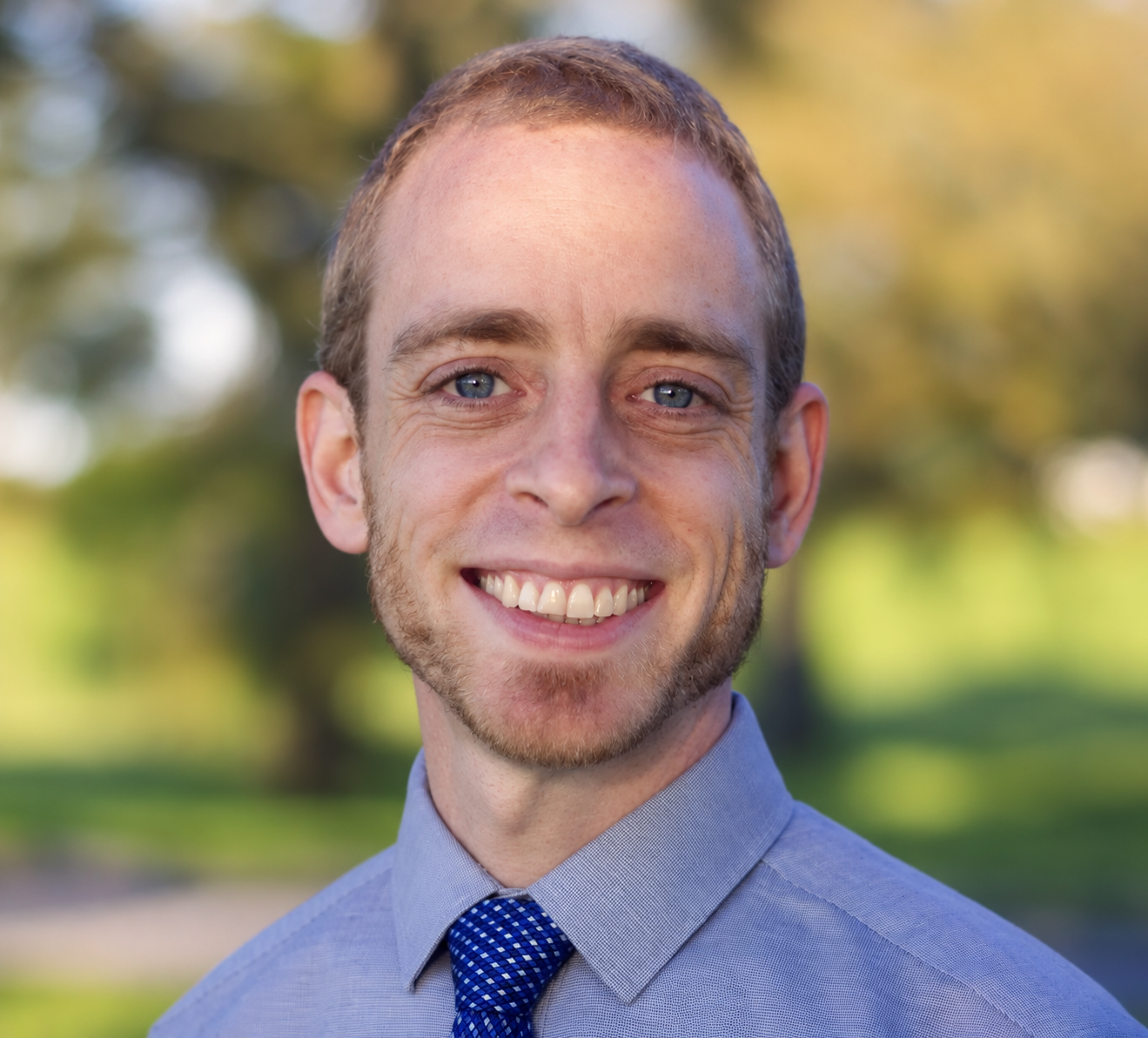
Joseph Mather MD, MPH
- ✓Over a decade treating SIBO with conventional & natural medicine
- ✓World class medicine — works with patients across the globe
- ✓Creator of SIBOnola.com, a patient & provider SIBO resource
- ✓Educator and mentor offering CME education for physicians
Functional Medicine Expert — Treats the Cause of Disease
Board-Certified American Board of Family Medicine
Tulane School of Medicine & Tulane University School of Public Health
Watch: Vicki's Journey — How She Overcame SIBO
Vicki struggled with SIBO for years before finding lasting relief. In this video, she shares her story — what her symptoms were like, what she’d tried before, and what treatment with Dr. Joe looked like.
Does this sound like you?
✓
✓
✓
✓
✓
✓
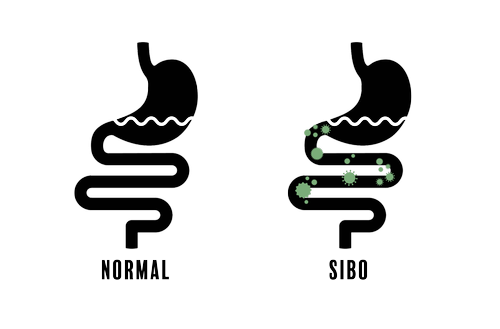
What is SIBO?
Small Intestinal Bacterial Overgrowth (SIBO) is a condition where bacteria grow near the beginning of your digestive tract — in the small intestine — rather than the large intestine, where large numbers of bacteria are supposed to be. When bacteria start to grow where they aren’t supposed to be, they cause a variety of GI symptoms: bloating after meals, diarrhea, constipation, and abdominal pain.
Going one step farther, the small intestine is protected by dense collections of immune tissue. Bacterial imbalances there can trigger these immune tissues, which can lead to problems in other parts of the body. This is why so many patients with SIBO struggle with brain fog, fatigue, joint pain, and skin conditions like rosacea or acne.
How my medical office is different
Three ways I’ve built this practice differently than a typical doctor’s office — or a typical functional medicine office.
01
Time to listen, think, and research
I run an independent private practice, free of hospital and insurance demands, so that I have the time to listen, think, and research your case properly.
I take a lot of pride in the fact that I am one of the few doctors who has been able to build my knowledge and skills day after day to make sure you get the best care possible.
My goal is for you to leave my office thinking:
“That was the best doctor’s visit I ever had.”
02
Treating the cause — without overdoing it
I treat the cause of your symptoms with natural and conventional medicine. But unlike other functional medicine offices, I don’t require thousands of dollars of labs or ask you to take hundreds of pills to get better. My goal is to get you well as quickly as possible — with the fewest supplements, the broadest diet that keeps you healthy, and a treatment plan that’s practical and down to earth.
03
Functional medicine you can afford
Paying out of pocket for medical care can be daunting. Because I want to help as many patients as possible, I’ve done all that I can to make care affordable:
- ✓I charge less than other experts in the field, despite getting better outcomes for my patients
- ✓I never profit from any testing I recommend
- ✓30% off supplements from Moss Nutrition
- ✓Discounted wholesale cash lab pricing through Clinical Pathology Labs for New Orleans patients
- ✓No subscriptions or memberships — ever
My three-step approach to treating SIBO
Lifestyle & root causes
Targeted probiotics
Antibiotics, herbal antimicrobials, or an elemental diet

Free SIBO Education at Sibonola.com
The science behind a natural approach to SIBO
More Patient Stories & Lectures
The Hidden Root Cause of SIBO You’re Probably Missing
Patient Success, Interviews, Lectures & More
What a visit costs
Initial Visit
$700
45 minutes
Extended Initial
$950
2 hours
Follow-Up
$350
45 minutes
Not sure if I'm a fit?
SIBO questions, answered
Do I need a SIBO breath test before my first visit?
No. I recommend testing case-by-case rather than requiring it upfront — your history and symptoms tell me most of what I need to know to get started, and I'm happy to review breath tests you've already had done.
Will you start me on antibiotics right away?
Not usually. I treat SIBO in sequence — lifestyle and root causes first, then probiotics, then antibiotics, herbal antimicrobials, or an elemental diet if you still need them. Jumping straight to antibiotics is one of the main reasons SIBO treatment relapses.
Antibiotics or herbal treatment — which is right for me?
It depends on your case. Antibiotics like rifaximin tend to work fastest for clear bacterial overgrowth but only target bacteria. Herbal antimicrobials act more broadly — useful if yeast or other organisms may be contributing, or if you have high gas — but generally take a bit longer. We'll decide together.
How long until I feel better?
Most of my SIBO and chronic GI patients feel about 75% better within four months. Many notice improvement within the first few weeks of lifestyle changes and probiotics, before we even add further treatment.
Will my SIBO come back?
It's much less likely when the underlying cause was fully addressed and your gut was supported with probiotics before — not just during — antibacterial treatment. That sequencing is the whole point of treating this step by step.
Do you accept insurance?
I don't bill insurance directly, but I provide a superbill after each visit that you can submit for out-of-network reimbursement. Working this way gives me the time and freedom to treat you as an individual, not a diagnosis code.
Ready to fix your SIBO?
Let’s Get Started
A doctor who cares about science
Working as an independent physician gives me time to study and keep learning new ways to help my patients. I’m proud to have contributed to our understanding of the gut–thyroid axis in a paper published in 2022.
I graduated from Tulane University School of Medicine and School of Public Health in 2011 and completed my Family Practice training in 2014. I treat many conditions, with particular expertise in GI health and mold and heavy-metal toxicity. When I’m not with patients, you’ll find me playing with my three kids, exercising, meditating, or playing the drums.